The Rhythm Of Norwegian Water: Inside The Solitary Cabins of Lofoten
Published on October 14, 2024 by Editorial Contributor
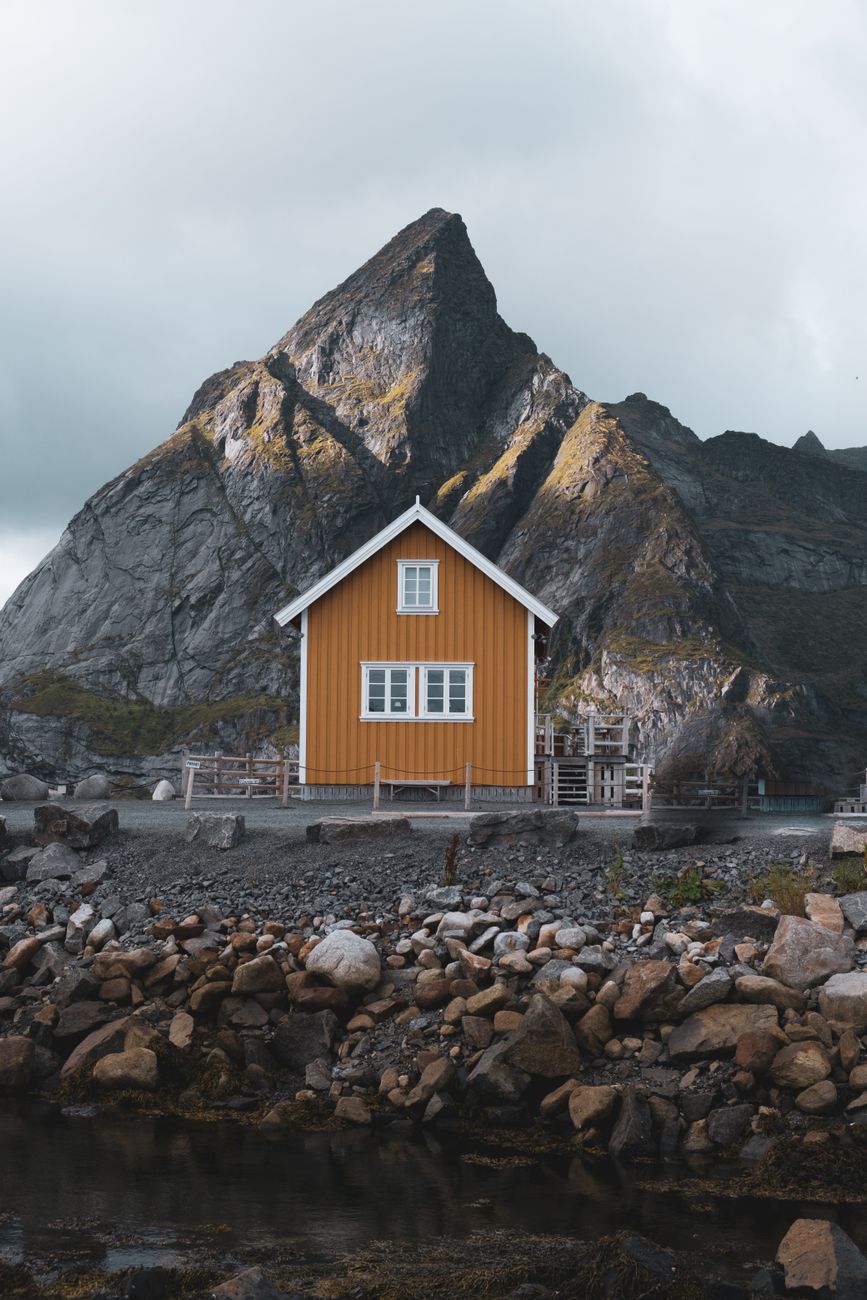
To arrive in the Lofoten archipelago during the autumnal boundary between golden light and arctic twilight is to witness the landscape stripping itself of all superfluous adornments.
The Architecture of Enduring Simplicity
Here, perched on granite stilts plunged directly into frigid tidal currents, red and ochre timber rorbuer—former fishermen’s cabins—have stood for over two centuries. Modern renovations have carefully retained their pine framing while adding clean-lined glass walls facing the North Atlantic.
Inside, the sensory landscape is defined by raw wood, sheepskin throws, and the rhythmic percussion of swelling sea waves below the floorboards. The architectural ethos is straightforward: shelter the human soul while keeping the vastness of elemental nature perpetually in sight.
“The ocean here does not merely surround you; it sets the tempo of conversation, meals, and sleep.”
Slow Living in the Arctic Shadow
In contrast to traditional tourist centers, days in Hamnøy and Reine demand little scheduled activity. A morning walk through crisp air often brings sights of sea eagles gliding over jagged peaks. Fishermen bring small catches of cod directly to village docks, where preparation relies strictly on salt, fire, and fresh butter.
For the traveler accustomed to relentless digital notifications, three days in this subpolar silence functions as a reset of personal perception. The dramatic scale of sea cliffs juxtaposed with modest wooden walls reminds us how little one truly requires to feel anchored.