Stargazing Across The Atacama: Silence in the World's Driest Desert
Published on August 19, 2024 by Editorial Contributor
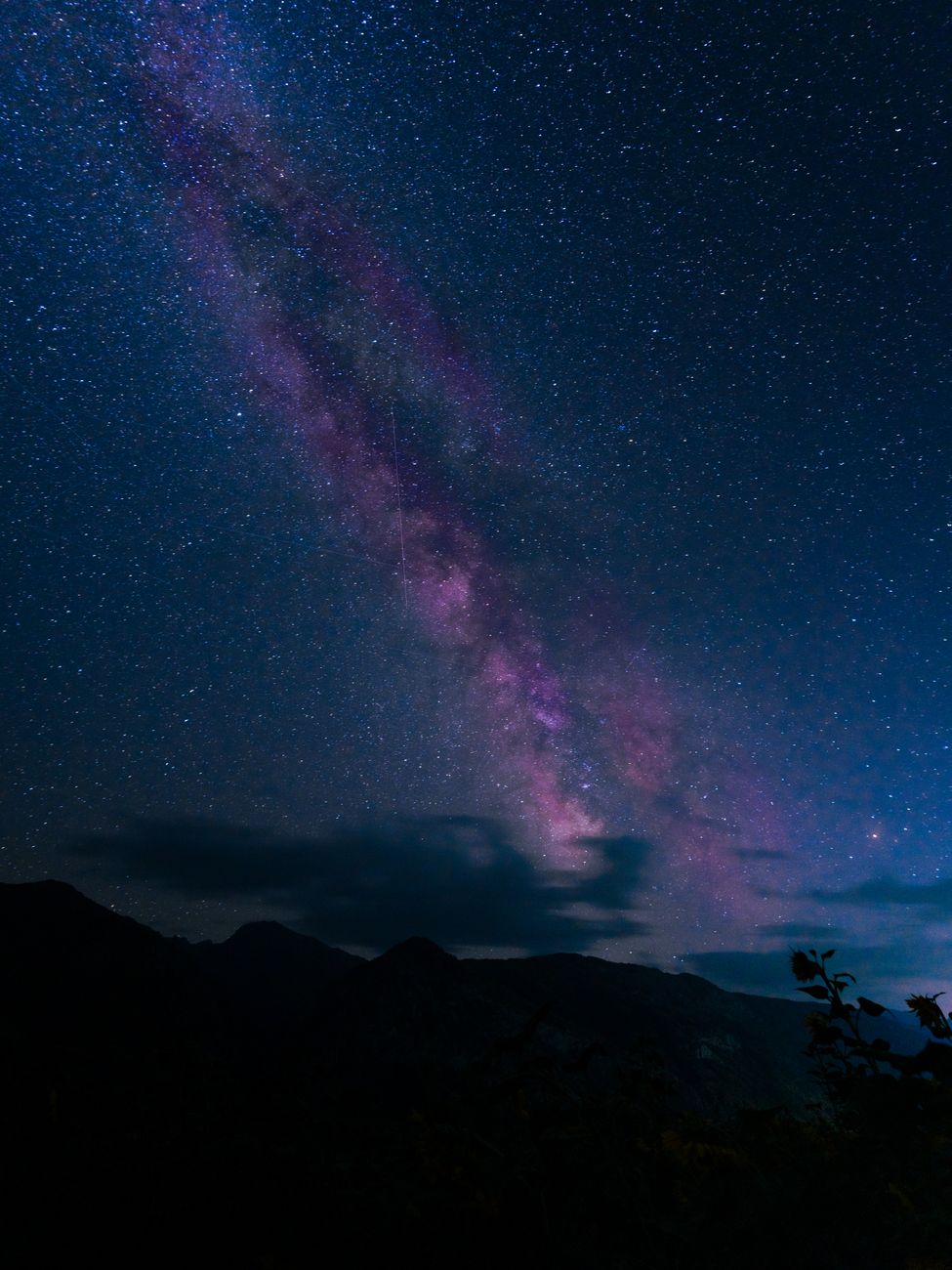
Situated at over 2,400 meters above sea level, where humidity rarely breaches single digits, the Atacama Desert in northern Chile resembles another planetary body.
An Ocean of Salt and Volcanic Ash
Driving south from San Pedro de Atacama across the Salar, the ground crackles like ancient glass beneath boots. The horizon is punctuated by conical volcanoes whose peaks carry perpetual snowfields despite the relentless arid winds. There are no billboards, no cellular towers, and for tens of miles, no other vehicles.
Lodges in this fragile environment are built predominantly from rammed earth and adobe bricks, maintaining natural thermal regulation as daylight temperatures of 32°C plummet below freezing within hours after dusk.
“To look up at the Milky Way from the Atacama is to realize that darkness is not an absence of light, but a stage upon which the cosmos performs.”
The Night When The Universe Opened
With an astronomer guide from a nearby international observatory, we traveled past midnight to a secluded salt lagoon. The absence of atmospheric moisture allows light from stars tens of thousands of light-years away to pierce the sky with crystalline intensity.
The Magellanic Clouds hang like luminous celestial fog. Under such astronomical clarity, the traveler’s sense of self shrinks, replaced by awe for the vast and silent architecture of the universe.