Silence As Ceremony: Experiencing Kyoto's Oldest Sub-Temples
Published on September 28, 2024 by Editorial Contributor
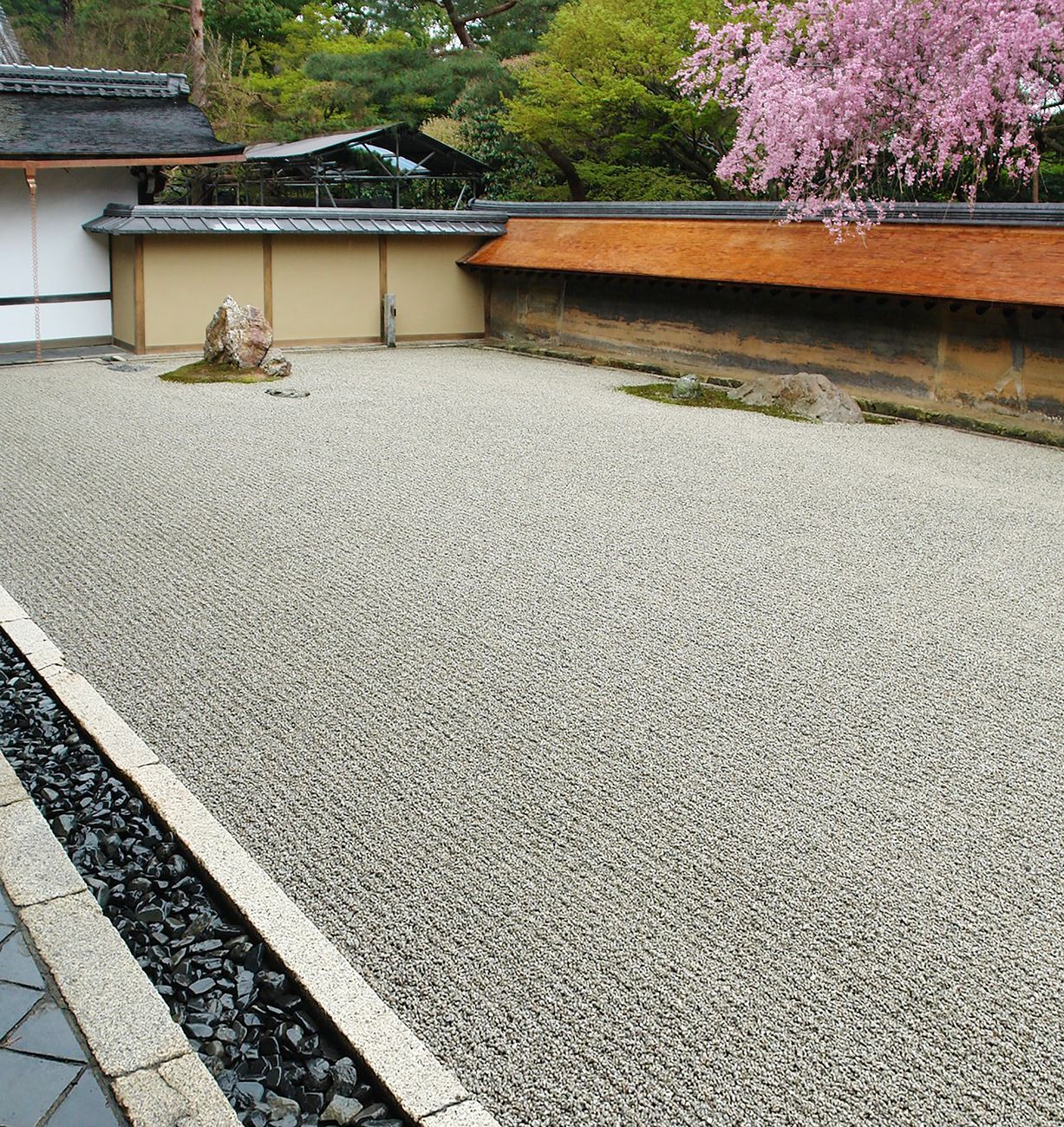
Behind the crowded entrance gates of northern Kyoto lies a maze of sub-temples where monks still maintain centuries-old practices of silence, dry landscape gardening, and ceremonial tea.
The Sacred Geometry of Raked Sand
At Daitoku-ji, the gravel garden of Ryōgen-in invites an inward journey. Five stones rise from a sea of meticulously combed moss and dark gray granules, representing islands adrift in consciousness. No trees obstruct the view; no vibrant flowers demand admiration. The design is deliberately austere, allowing the visitor’s restless mind to settle into stillness.
As sunlight shifts along the polished hinoki cypress verandas, shadows lengthen and transform the geometric patterns. One begins to notice subtle sounds: a water droplet falling from bamboo into stone, the murmur of wind through pine tops, the distant chime of an iron bell.
“The tea master does not seek to create beauty out of thin air, but to clear away everything that distracts from what is already present.”
Culinary Mindfulness in Arashiyama
Our journey continued westward to an inconspicuous machiya where seasonal shojin ryori—Buddhist vegetarian cuisine—is served on simple lacquer trays. Prepared without garlic or onions, each dish honors wild mountain herbs, silky house-made tofu, and simmered lotus root. It is eating practiced as an act of gratitude rather than rapid consumption.
Kyoto does not unveil its secrets to those who sprint from monument to monument with a digital camera. It requires sitting quietly on a tatami mat, breathing in the scent of aged wood and damp cedar, and letting time dissolve.